
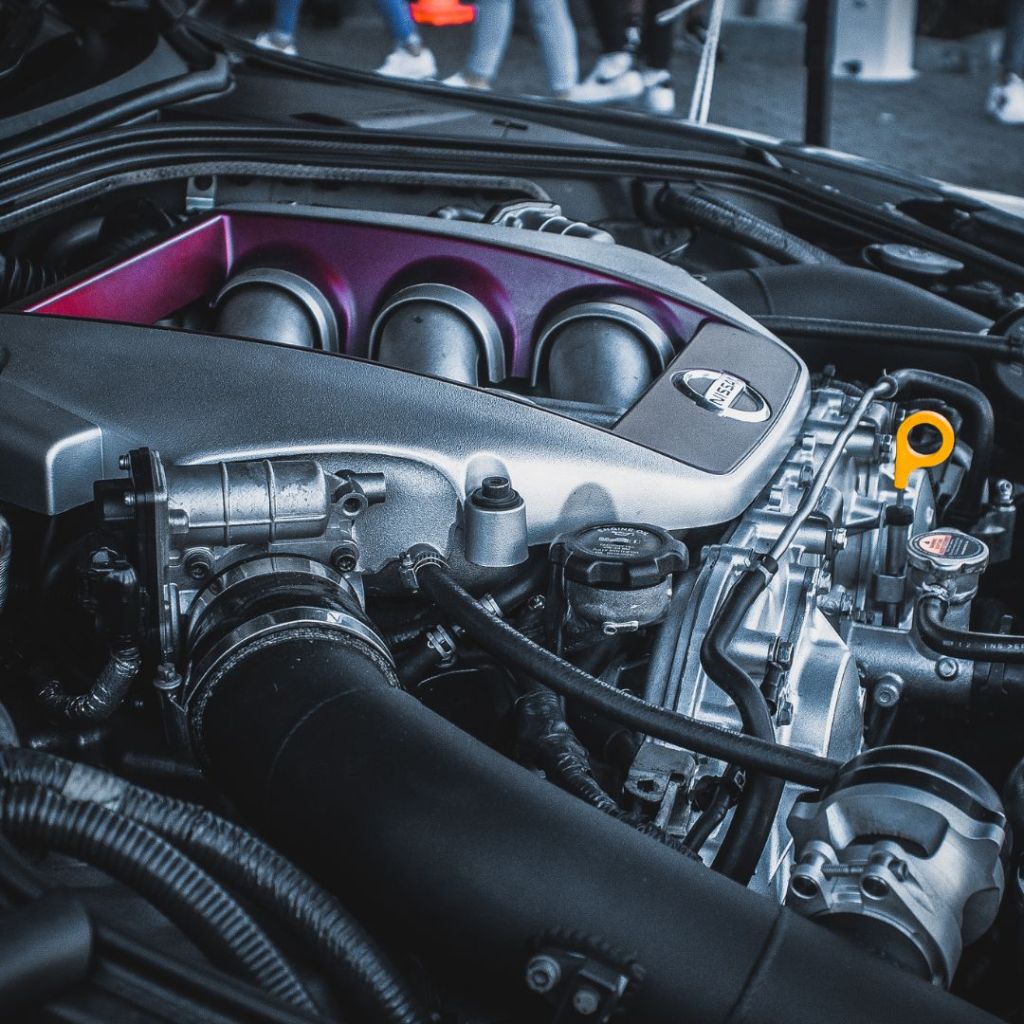
A misfire can be caused by a variety of issues, such as a problem with the spark plugs, ignition coils, fuel injectors, or compression in the engine. To diagnose a misfire, a mechanic will typically start by checking for diagnostic trouble codes (DTCs) using an OBD-II scanner. They may also perform a visual inspection of the engine and its components, and check the compression of the engine cylinders. Depending on the symptoms and the codes present, they may also perform specific tests such as a fuel pressure test, a spark test, or a vacuum test.
Spark Plug Misfire
There are several reasons why spark plugs may misfire. Some common causes include:
- Worn spark plugs: Over time, spark plugs can become worn and lose their ability to create a spark, which can cause a misfire.
- Incorrect gap: The gap between the electrode and the center electrode needs to be set correctly. If the gap is too wide or too narrow, it can cause the spark to be weak or not occur at all, leading to a misfire.
- Dirty or clogged fuel injectors: Dirty or clogged fuel injectors can prevent the engine from getting the proper amount of fuel, which can cause a misfire.
- Weak ignition coils: A weak ignition coil can prevent the spark plug from getting the high voltage needed to create a spark, resulting in a misfire.
- Vacuum leaks: Vacuum leaks can cause the engine to run lean, which can cause a misfire.
- Carbon build-up: Carbon build-up on the valve and the piston head can cause a misfire.
These are the common causes, it is best to diagnose with a professional mechanic and get the proper diagnosis.
Coil Pack (Ignition Coils) Misfire
Coil packs, also known as ignition coils, can misfire for several reasons, including:
- Wear and tear: Over time, the coil packs can wear out and lose their ability to produce a strong spark, which can cause a misfire.
- Short circuit: A short circuit in the coil pack can prevent it from producing a spark, causing a misfire.
- Open circuit: An open circuit in the coil pack can also prevent it from producing a spark, causing a misfire.
- Insulation breakdown: The insulation on the coil pack can break down over time, which can cause a misfire.
- Overheating: Overheating of the coil pack can cause the internal components to become damaged, resulting in a misfire.
- Failed power supply: If the power supply to the ignition coil fails, it can cause a misfire.
- Failed control module: If the control module that controls the ignition coil fails, it can cause a misfire.
It is best to have a professional mechanic diagnose the exact cause of the misfire, as it could be caused by a combination of these issues or other underlying problems.
Fuel Injector Misfire
Fuel injectors can cause a misfire if they are not functioning properly. Some common reasons why fuel injectors may misfire include:
- Clogging: Over time, fuel injectors can become clogged with dirt, debris, or varnish, which can prevent them from delivering fuel to the engine correctly, causing a misfire.
- Leakage: If a fuel injector is leaking, it can cause a misfire. A leaking fuel injector can also cause the engine to run lean, which can cause damage to the engine.
- Electrical problems: Fuel injectors are controlled by the engine’s computer and if there’s an issue with the electrical connection or the computer itself, it can cause a misfire.
- Worn out: Just like other mechanical parts, fuel injectors can wear out over time, which can cause them to malfunction and cause a misfire.
- Dirty fuel: If the fuel is dirty or contains impurities, it can cause the injectors to become clogged or damaged, leading to a misfire.
- Low fuel pressure: If the fuel pump is not providing enough pressure, the injectors may not be able to deliver the right amount of fuel to the engine, causing a misfire.
It is important to have a proper diagnosis from a professional mechanic to determine the exact cause of the misfire as it could be caused by a combination of these issues or other underlying problems.
Engine Compression Misfire
An engine compression misfire occurs when there is a problem with the compression of the engine’s cylinders, preventing the engine from running smoothly. This type of misfire can be caused by several issues, including:
- Worn or damaged piston rings: Piston rings seal the combustion chamber and if they are worn or damaged, it can cause a loss of compression and a misfire.
- Damaged or worn valves: Valves control the flow of air and fuel into the engine, if they are damaged or worn, they can cause a loss of compression and a misfire.
- Cracked cylinder head or block: A crack in the cylinder head or block can cause a loss of compression, resulting in a misfire.
- Low compression: Low compression in the engine can be caused by a variety of issues, such as worn or damaged engine components, or a problem with the engine’s timing or valve clearance.
- Leaking head gasket: If the head gasket is leaking, it can cause a loss of compression, which can cause a misfire.
- Carbon build-up: Carbon build-up in the engine can cause a loss of compression and a misfire.
Conclusion
It’s important to have a professional mechanic diagnose and fix a misfire as soon as possible, as a misfire can cause damage to the engine and emissions system over time. It can also cause the vehicle to fail emissions test.


 Automotive Roar
Leave a reply to Audi TT MK2 8J Coil Pack and Spark Plugs Replacement – Automotive Roar Cancel reply